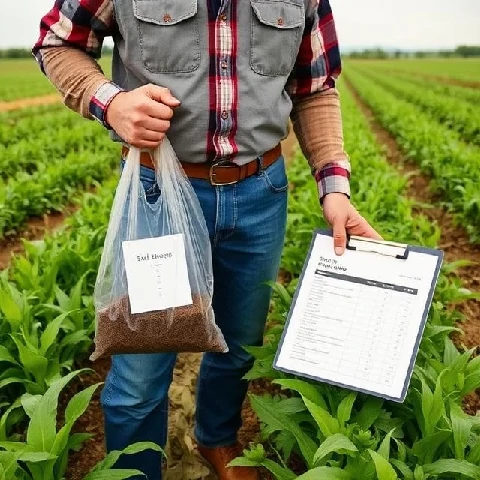
A field can hold plants and still starve them. Fertility is about supply: how well soil delivers the nutrients a crop needs in the right amounts and at the right time. Nitrogen, phosphorus, potassium, and a long list of micronutrients all matter.
Nutrients exist in soil in several forms. Some are dissolved in water and ready for roots to absorb. Others are bound to particles and released slowly. Organic matter acts as a bank, holding nutrients and releasing them as it decomposes. A fertile soil manages this release so plants get what they need without losing too much to leaching or erosion.
Signs of poor fertility
- Yellowing leaves and stunted growth
- Slow crop development despite adequate water
- Low yields compared to nearby fields
- Poor response to applied fertilizer
Farmers test soil regularly and apply amendments based on crop needs. Over-application wastes money and can pollute waterways. Under-application limits yield and leaves nutrients in the soil unused.
Comments
No comments yet. Be the first to share a thought.
Leave a comment