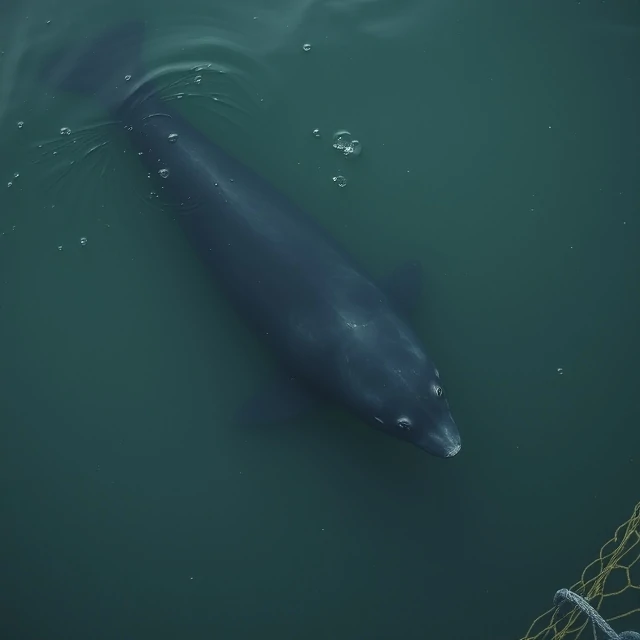
A species is endangered when it faces a very high risk of extinction in the wild. The International Union for Conservation of Nature assesses species and places them on a Red List, which ranges from least concern to extinct. Endangered sits near the top, just below critically endangered. The category is not permanent. Species can recover and be downlisted, or decline and be uplisted. The mountain gorilla was downlisted from critically endangered to endangered in 2018 after decades of conservation work.
Endangerment usually comes from human activity. Habitat loss is the biggest driver, followed by overexploitation, invasive species, pollution, and climate change. Some species are more vulnerable than others. Those with small populations, slow reproduction, large territory needs, or specialized diets are at greater risk. The vaquita, a small porpoise in the Gulf of California, may number fewer than ten individuals. The Javan rhino survives in a single national park. Recovery is possible but slow. It requires protecting habitat, reducing threats, and sometimes breeding animals in captivity.
Main threats
- Habitat loss and fragmentation.
- Overhunting, overfishing, and poaching.
- Invasive species and disease.
- Pollution and climate change.
Endangered status is a legal category in many countries. The U.S. Endangered Species Act, passed in 1973, protects listed species and their habitats. It has been credited with saving bald eagles, gray wolves, and American alligators.
Comments (3)
Leave a comment