The windshield protects occupants from wind, rain, dust, and flying debris. It also holds the roof up in a rollover and provides a mounting point for the rearview mirror, cameras, and sensors. It is a structural component, not just a window.
Early cars had flat glass panes. Curved, single-piece windshields arrived in the 1920s and became standard as safety glass improved. Laminated glass, introduced in the 1930s, sandwiches a plastic layer between two sheets of glass. When struck, the glass cracks but stays in place. Tempered glass, used on side and rear windows, shatters into small blunt pieces.
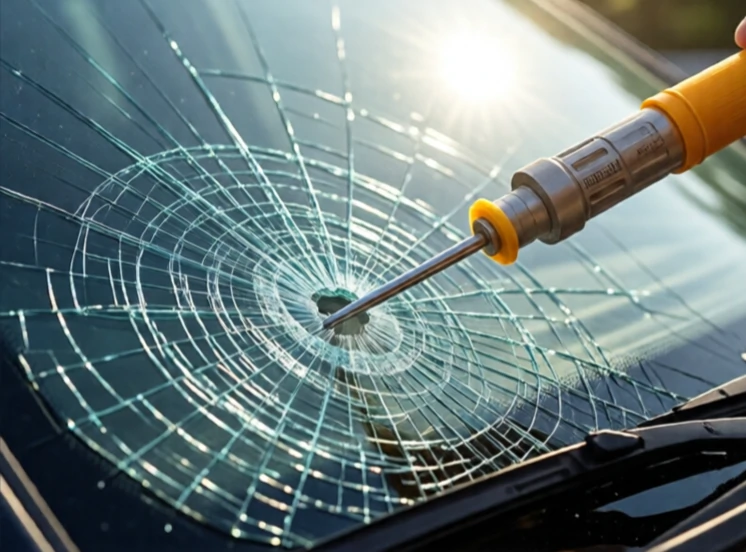
Windshield damage and repair
- Small chips can be filled with resin before they spread.
- Cracks longer than a dollar bill usually require replacement.
- Damage in the driver's line of sight fails inspection in many places.
- Temperature swings cause small chips to crack suddenly.
- Advanced driver-assist cameras behind the glass need recalibration after replacement.
A windshield replacement is not just a glass swap on modern cars. The camera for lane departure warning, automatic emergency braking, and adaptive cruise control must be recalibrated to the new glass. That requires a target and a scan tool. Skipping recalibration can disable safety systems or cause them to behave unpredictably. It is one of those jobs where the cheap option may cost more in the long run.
Comments
No comments yet. Be the first to share a thought.
Leave a comment