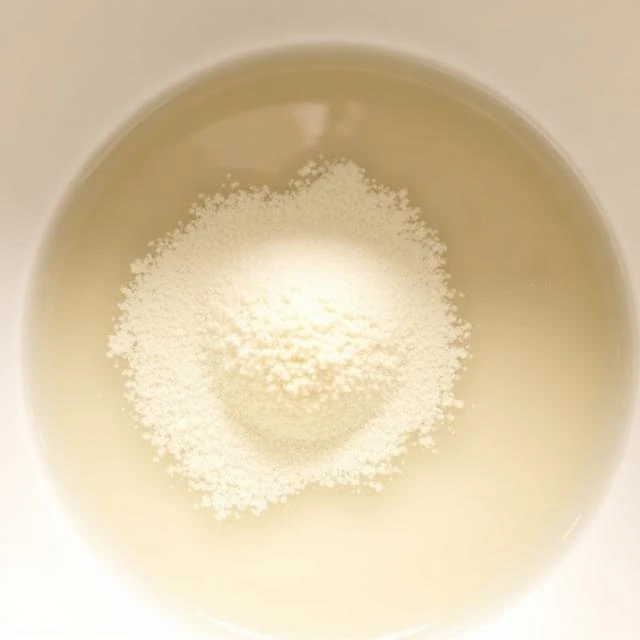
Yeast is a single-celled fungus, and it is the reason bread rises. Saccharomyces cerevisiae, the species used in baking and brewing, eats sugar and produces carbon dioxide and alcohol. In a dough, the gas gets trapped in the gluten network and inflates it. In a beer vat, the alcohol stays. The same organism does both jobs. It has been working for humans for thousands of years, long before anyone knew what it was.
Bakers use several forms. Fresh yeast, also called cake yeast, is a compressed block that must be refrigerated and used quickly. Active dry yeast is dried and dormant, and it needs to be rehydrated in warm water before use. Instant yeast is milled finer and can be added directly to dry ingredients. Each has its own quirks, but all of them come alive in the same way: warmth, moisture, and sugar.
Temperature is the controlling variable. Water above 60 degrees Celsius kills the yeast. Water below about 20 degrees slows it to a crawl. The sweet spot for most doughs is 24 to 27 degrees. Too much salt inhibits it. Too much sugar can dehydrate it. A baker learns to read the dough: it should feel alive, springy, and slightly warm. If it sits too long, the yeast exhausts its food and the dough collapses. Timing is everything.
Comments
No comments yet. Be the first to share a thought.
Leave a comment