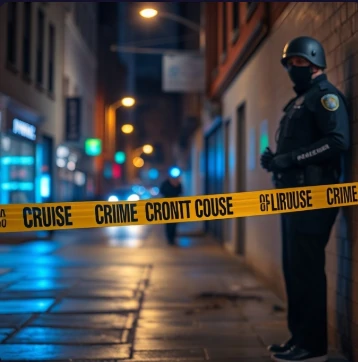
A wallet is stolen on a bus. A corporation dumps toxic waste into a river. Both are crimes — acts that violate criminal law and are punishable by the state. But not every harmful act is a crime. What counts as criminal changes over time and across societies. Selling alcohol was illegal in the U.S. during Prohibition. Now it is a licensed business.
Sociologists ask who defines crime and who gets punished. Laws often reflect the interests of powerful groups. Street crime draws heavy policing. White-collar crime, though far more costly in dollars and lives, receives less attention. The FBI's Uniform Crime Reports and the National Crime Victimization Survey are two major sources of data in the U.S.
Categories
- Violent crime: murder, assault, robbery
- Property crime: burglary, theft, arson
- White-collar crime: fraud, embezzlement
- Victimless crime: drug use, prostitution
- Organized crime: illegal markets run by syndicates
Punishment ranges from fines to imprisonment to execution. Recidivism rates remain high in many countries, prompting debate about rehabilitation versus retribution.
Comments
No comments yet. Be the first to share a thought.
Leave a comment