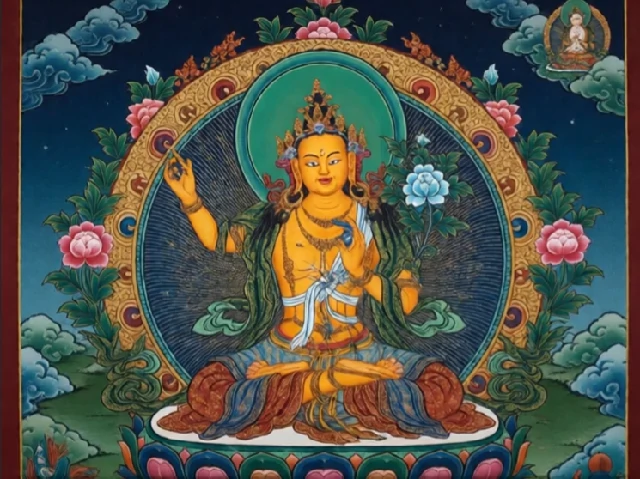
Birth, death, and birth again. Samsara is the Sanskrit term for the endless cycle in which beings are reborn according to the quality of their actions. In Hindu and Buddhist thought it is the basic condition of ordinary existence—driven by desire, ignorance, and the accumulated force of karma.
The cycle is not regarded as a neutral process. It is marked by suffering. Even pleasant rebirths end; even heavenly realms are temporary. The goal of the spiritual path is therefore release. In classical Hinduism the release is moksha, union with or realization of the ultimate reality. In Buddhism it is nirvana, the extinguishing of the fires of craving and the end of rebirth. Different schools map the possible destinations—human, animal, hungry ghost, hell-being, god—with varying degrees of detail, yet the underlying diagnosis remains constant: continued existence within samsara is unsatisfactory.
The doctrine shapes ethics. Every action plants a seed that will ripen in this life or a future one. Compassion toward all beings follows naturally, since any living creature may have been one’s mother in a previous birth. Meditation and moral discipline are the practical means of weakening the grip of the cycle.
Samsara is not a theory about the past; it is a description of the present predicament and a map of the way out.
Comments
No comments yet. Be the first to share a thought.
Leave a comment