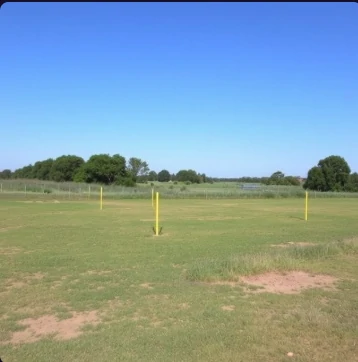
A parcel sits without buildings or significant structures. That property is vacant land. It may be raw acreage or a finished lot ready for construction.
Value depends on location, zoning, utility access, topography, and development potential. Holding costs include taxes, possible association fees, and interest if financed. Investors buy vacant land for future development, speculation, or resource use. Builders buy finished lots to construct homes.
Due diligence for vacant land includes soil tests, environmental checks, access confirmation, and entitlement review. Financing is often more difficult and requires larger down payments than improved property. Vacant land produces little or no income until put to use, so the investment thesis usually rests on future appreciation or development profit.
Empty land is a blank canvas with a carrying cost.
Comments
No comments yet. Be the first to share a thought.
Leave a comment