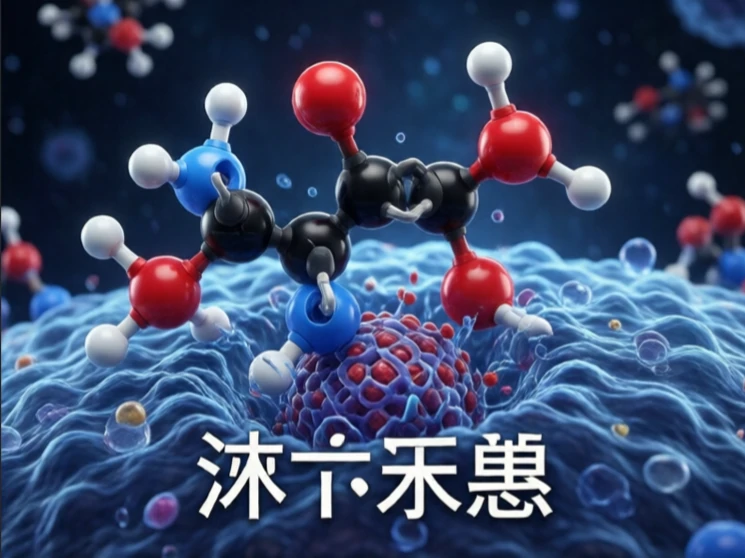
In pharmacology an agonist is a chemical that binds to a receptor and activates it, producing a biological response. It mimics or enhances the action of a natural neurotransmitter or hormone.
Full agonists produce the maximum possible response when they occupy the receptor; partial agonists produce a weaker response even at full occupancy. Some agonists act directly on the receptor; others work indirectly by increasing the amount of natural transmitter available—blocking reuptake or inhibiting breakdown. Morphine is an agonist at opioid receptors; nicotine is an agonist at nicotinic acetylcholine receptors; many antidepressant medications increase serotonin signaling and thereby act as indirect agonists.
The concept is fundamental to drug design. By creating molecules that selectively activate particular receptor subtypes, researchers aim to produce desired effects while minimizing side effects. The same framework explains how endogenous substances—dopamine, endorphins, adrenaline—exert their natural influence.
Where an antagonist blocks, an agonist turns the key and opens the door.
Comments
No comments yet. Be the first to share a thought.
Leave a comment