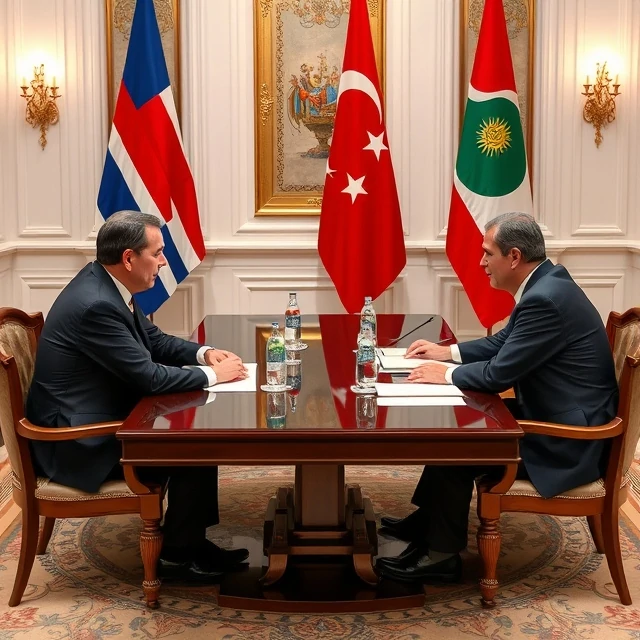
States manage their relationships through negotiation, representation, and communication. That activity is diplomacy. Professional diplomats staff embassies, conduct talks, and report on foreign developments.
Diplomacy can be bilateral or multilateral, public or confidential. It aims to advance national interests without resort to force, though the credible possibility of force often shapes bargaining. Treaties, joint statements, and informal understandings are among its products. Summit meetings between leaders supplement the continuous work of professional services.
Effective diplomacy requires accurate information, cultural fluency, and the ability to find overlapping interests. Failures of diplomacy can precede conflict; successes can resolve disputes and build lasting cooperation. In an interconnected world the volume of diplomatic activity has expanded to include climate, trade, health, and technology issues alongside traditional security concerns.
A skilled diplomat often achieves results that no amount of coercion could secure as cheaply.
Comments
No comments yet. Be the first to share a thought.
Leave a comment