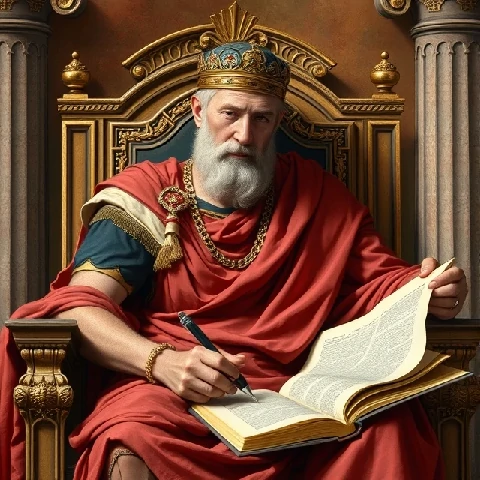
Stoicism teaches that virtue is the only good and that everything else, health, wealth, reputation, is indifferent. The Stoics, founded by Zeno of Citium around 300 BCE, argued that we should focus on what we can control: our judgments, our desires, our actions. What we cannot control, the weather, other people, the past, should not disturb us. The goal is apatheia, a state of calm that comes from understanding nature and accepting what happens. Marcus Aurelius, Epictetus, and Seneca are the most famous Stoics. Marcus was a Roman emperor, Epictetus a former slave, Seneca a statesman and playwright. Their writings are practical guides to living well under pressure.
Stoicism has had a resurgence in recent years, especially among people looking for resilience in uncertain times. It is not about suppressing emotion. It is about not being ruled by it. It is not about passivity. It is about acting with virtue, regardless of outcomes. The Stoic practices of negative visualization, journaling, and mindful acceptance have been adopted by modern self-help and cognitive therapy. Critics argue that Stoicism can be cold, that it undervalues relationships and emotions. Defenders reply that it values them properly, as things to be enjoyed but not depended on. Stoicism is a philosophy of inner freedom.
Stoic principles
- Virtue is the only good. Everything else is indifferent.
- Control. Focus on what you can control.
- Acceptance. Accept what you cannot control.
- Calm. Cultivate apatheia, freedom from disturbing passions.
Stoicism is not the same as passivity. It is a call to action, guided by reason and virtue.
Comments (2)
Leave a comment