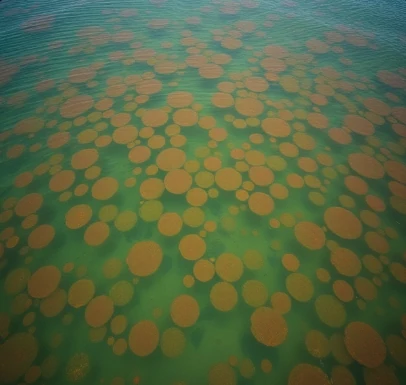
Under the right combination of nutrients, light, and temperature, microscopic algae can multiply so rapidly that they discolor the water. These events are algal blooms. Some remain harmless or even beneficial; others release toxins or deplete oxygen when the dense population eventually dies and decays.
Coastal waters receiving agricultural runoff or sewage are especially prone to blooms. Warming seas and changing circulation can also favor certain species. Satellite sensors detect the distinctive color changes, allowing agencies to issue warnings for shellfish harvesting or beach closures when toxic species dominate.
Not every bloom is a “red tide,” yet the term is often used loosely for any conspicuous event. Managing nutrient inputs remains the most effective long-term control. Short-term responses focus on monitoring and public advisories to protect both human health and marine life.
A single bloom can transform a clear bay into a cloudy, foul-smelling expanse within days.
Comments
No comments yet. Be the first to share a thought.
Leave a comment