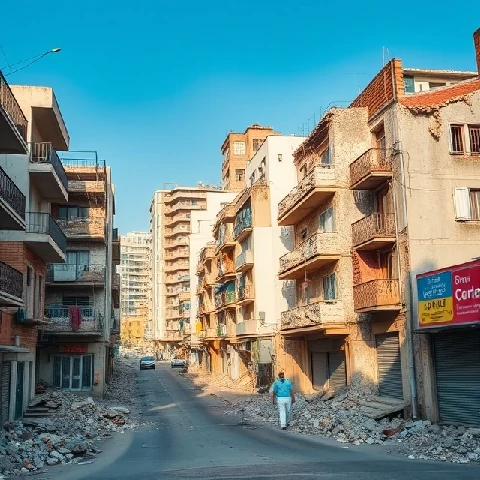
Stored elastic energy in stressed rock can release without warning. An earthquake is the ground shaking that results when a fault slips and seismic waves radiate outward. Most earthquakes occur along tectonic plate boundaries, though intraplate events also happen.
The point of initial rupture is the focus; the surface location above it is the epicenter. Magnitude measures energy release on a logarithmic scale; intensity describes the shaking felt at particular places. Aftershocks follow as the crust adjusts.
Building design, early-warning systems, and land-use planning reduce casualties and damage. Seismologists locate events within minutes using global networks of instruments. Despite advances, exact prediction of time and place remains beyond current capability. Preparedness and resilient construction offer the best protection.
- Sudden ground shaking from fault slip
- Generates seismic waves
- Most common at plate boundaries
- Measured by magnitude and intensity
Comments
No comments yet. Be the first to share a thought.
Leave a comment