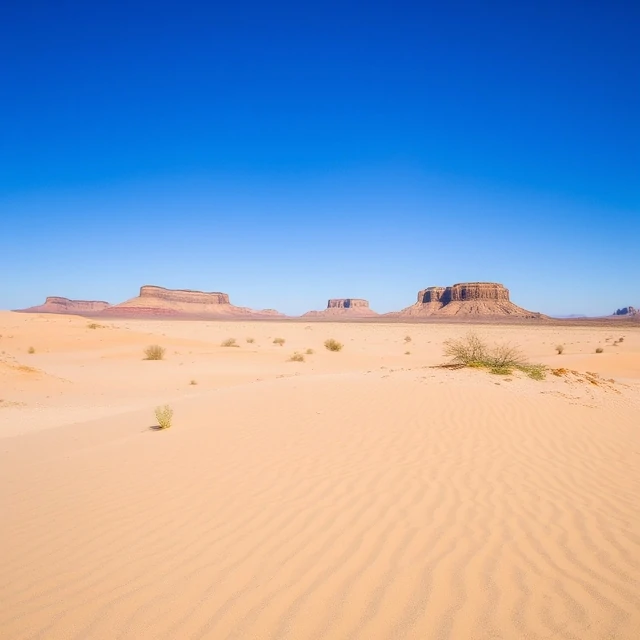
Rain gauges in some places stay nearly empty year after year. An arid climate receives so little precipitation that evaporation exceeds rainfall for most months. Vegetation grows sparse, and rivers may flow only after rare storms.
True deserts and many semi-arid steppes fall into this category. Daytime temperatures often soar while nights cool rapidly because dry air holds little heat. Soils tend to be thin and salty. Human settlement clusters around oases, rivers, or aquifers that supply the missing water.
Farmers in arid zones rely on irrigation or drought-tolerant crops. Cities must import water or desalinate seawater. Climate records show that arid regions can expand or contract with long-term shifts in atmospheric circulation. The defining feature remains the persistent deficit of moisture.
- Very low annual precipitation
- High evaporation rates
- Sparse natural vegetation
- Often extreme temperature swings
Comments
No comments yet. Be the first to share a thought.
Leave a comment