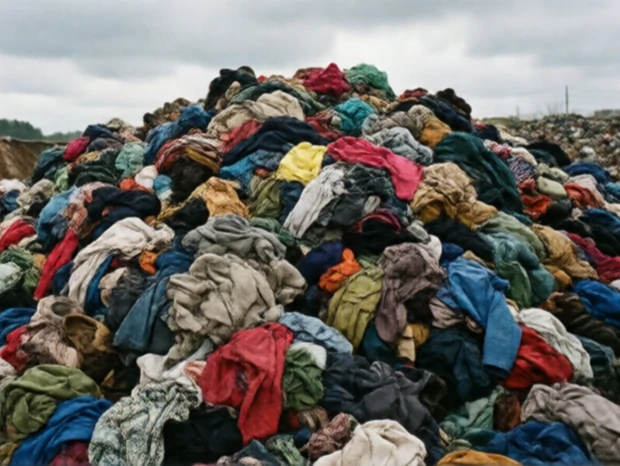
Fast fashion is inexpensive clothing produced rapidly to follow trends. Brands like Zara, H&M, and Shein move designs from runway to store in weeks, not months. They produce small batches, test demand, and restock quickly. Prices are low. Turnover is high. Customers buy more and wear less.
The model has transformed the industry. Clothing has become disposable for many consumers. The average person buys far more garments than a generation ago and wears each one fewer times. Trends cycle faster. Micro-seasons replace the traditional two-season calendar. Social media accelerates the pace. A look seen on a celebrity can be in stores within days.
The costs are significant. Fast fashion relies on cheap labor, often in countries with weak protections. Factory accidents, like the 2013 Rana Plaza collapse in Bangladesh, exposed dangerous conditions. Environmental damage is severe. Textile production uses huge volumes of water and chemicals. Synthetic fabrics shed microplastics. Unsold clothes are burned or dumped. Some brands have launched sustainability initiatives, but critics call many of them greenwashing. The core business model remains built on volume and speed.
Key features
- Rapid trend cycles
- Low prices
- Short production lead times
- High volume turnover
- Global supply chains
Comments
No comments yet. Be the first to share a thought.
Leave a comment