Potable water is safe to drink. It meets standards for microbial, chemical, and physical contaminants. It looks clear, smells clean, and tastes acceptable. Most people in developed countries take it for granted. Billions of people do not have it.
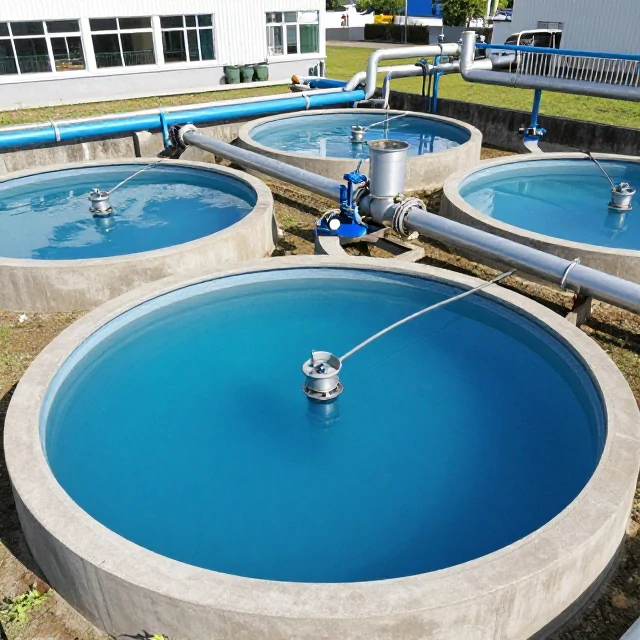
Treating water for drinking involves multiple steps. Coagulation and flocculation clump dirt particles together. Sedimentation lets them settle. Filtration removes remaining particles. Disinfection, usually with chlorine or ultraviolet light, kills pathogens. Some systems add fluoride to prevent tooth decay. The exact process depends on the source: rivers, lakes, reservoirs, or underground aquifers.
What potable water must not contain
- Pathogenic bacteria, viruses, and parasites.
- Excessive lead, arsenic, nitrate, or other chemicals.
- Harmful levels of disinfection byproducts.
- Microplastics and industrial contaminants, increasingly monitored.
- Unacceptable taste, odor, or color.
The World Health Organization estimates that billions of people lack safely managed drinking water. The consequences are severe: diarrheal disease, cholera, typhoid, and child mortality. In developed countries, aging pipes and lead service lines remain a problem. Flint, Michigan, is the best-known recent example. Potable water is not just a technical achievement. It is a foundation of public health, and maintaining it requires constant investment.
Comments
No comments yet. Be the first to share a thought.
Leave a comment