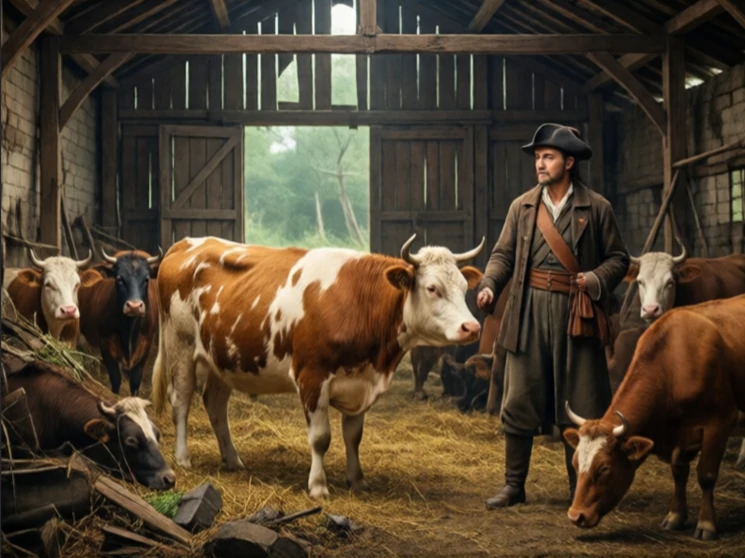
An allegory is a narrative, poem, or image that can be read on two levels: a surface story and a deeper, often moral or political, meaning. Characters, settings, and events systematically stand for abstract ideas or historical realities.
George Orwell’s Animal Farm recounts a rebellion among farm animals while simultaneously mapping the course of the Russian Revolution. Edmund Spenser’s The Faerie Queene presents knights and ladies whose adventures embody virtues and vices. Medieval morality plays staged personified abstractions such as Everyman and Good Deeds. The power of allegory lies in its ability to make abstract argument concrete and memorable, and to smuggle critique past censors by clothing it in fiction.
Not every symbolic work is an allegory. True allegory maintains a sustained, one-to-one correspondence between the literal and the figurative levels. Modern readers sometimes resist the didacticism of classic allegory, yet the form continues to appear in political satire, fantasy, and visual art whenever a writer or artist wants the audience to see through the story to a larger claim.
When a tale keeps pointing beyond itself to a second, organized meaning, it is functioning as allegory.
Comments
No comments yet. Be the first to share a thought.
Leave a comment