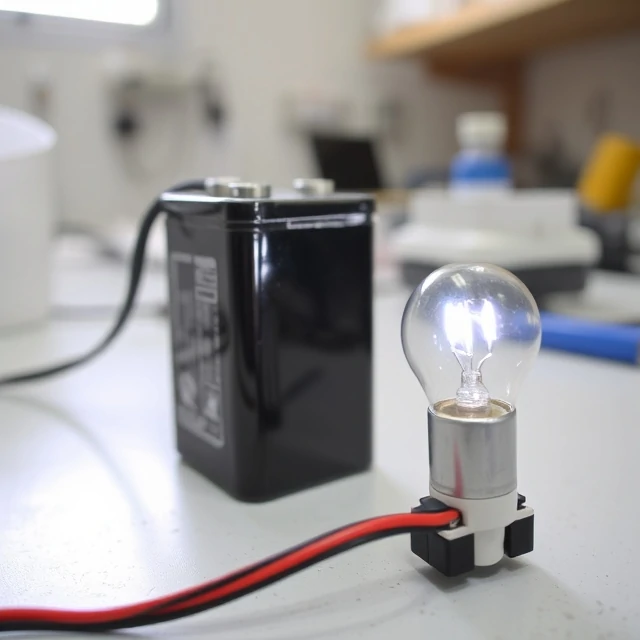
Chemical energy is energy stored in the bonds that hold atoms together in compounds. It is not visible. It is potential. When those bonds break and new ones form, energy is released or absorbed. Burning gasoline, digesting food, and discharging a battery all release chemical energy.
The amount of energy depends on the substance. A kilogram of gasoline holds about 44 megajoules. A kilogram of lithium-ion battery stores far less, roughly 0.3 to 0.7 megajoules. That difference explains why liquid fuels dominate transport and why batteries are heavy for the energy they carry.
Chemical energy is central to life and industry. Plants capture sunlight and store it in sugars. Animals eat plants and release the energy through respiration. Power plants burn coal or gas to convert chemical energy into heat, then into electricity. The chain of conversions always loses some energy as waste heat, which is why efficiency never reaches 100 percent.
Common examples
- Fossil fuels
- Batteries
- Food and biomass
- Explosives
- Hydrogen
Comments
No comments yet. Be the first to share a thought.
Leave a comment