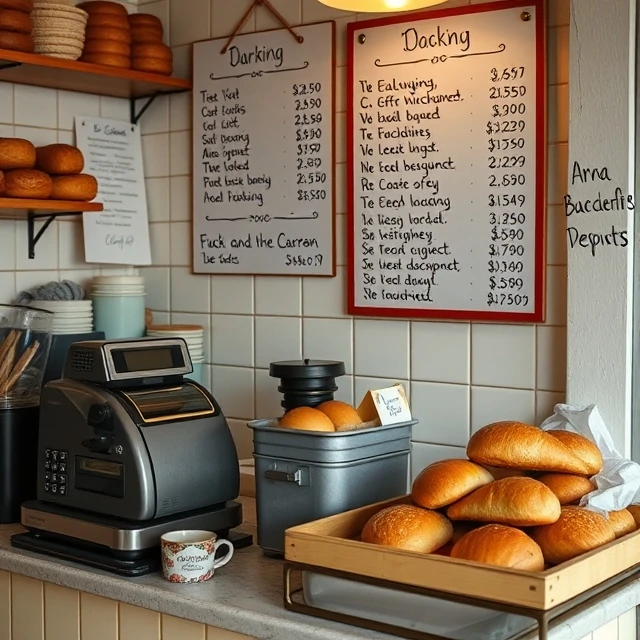
Nothing is free. Every good or service produced requires resources that could have been used elsewhere. Cost is the value of those sacrificed alternatives, measured in money, time, or foregone opportunities. A bakery that spends flour on bread cannot use that flour for pastries. The pastries are part of the bread's cost.
Accountants and economists count costs differently. Accountants track explicit payments: wages, rent, materials, utilities. Economists also include implicit costs, like the salary an owner could have earned elsewhere or the interest that could have been earned on invested savings. This broader view matters for decisions. A shop that shows an accounting profit may still be destroying value if the owner could earn more doing something else.
Costs behave differently at different scales. Fixed costs, like factory rent, do not change with output. Variable costs, like raw materials, rise as production increases. Marginal cost, the cost of making one more unit, is central to pricing decisions. Businesses that ignore marginal cost often lose money on every additional sale without realizing it.
Cost categories
- Fixed costs: rent, insurance, salaried staff
- Variable costs: materials, hourly labor, shipping
- Opportunity cost: the next best alternative forgone
- Marginal cost: the expense of one more unit
- Sunk cost: money already spent and unrecoverable
Comments
No comments yet. Be the first to share a thought.
Leave a comment