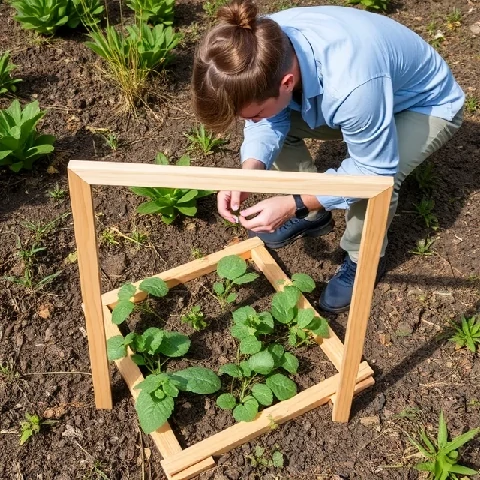
A population is a group of individuals of the same species living in the same area at the same time. The boundaries are defined by the researcher. A population might be all the oak trees in a forest, all the deer on an island, or all the bacteria in a petri dish. Population size, density, and distribution are basic measures. Ecologists track how populations change over time and what drives those changes: births, deaths, immigration, and emigration.
Populations have structure. They include individuals of different ages and sexes. The age distribution tells you whether a population is growing or shrinking. A population with many young individuals is likely to grow. One with many older individuals is likely to decline. Sex ratios matter too. If females are scarce, reproduction slows. Populations also have genetic structure. Small populations lose genetic diversity over time, which makes them more vulnerable to disease and environmental change.
Key population measures
- Size: number of individuals.
- Density: individuals per unit area.
- Distribution: how individuals are spaced.
- Age structure: proportion in each age class.
Populations are not static. They grow, shrink, and shift across the landscape. Understanding why is central to conservation and management.
Comments
No comments yet. Be the first to share a thought.
Leave a comment