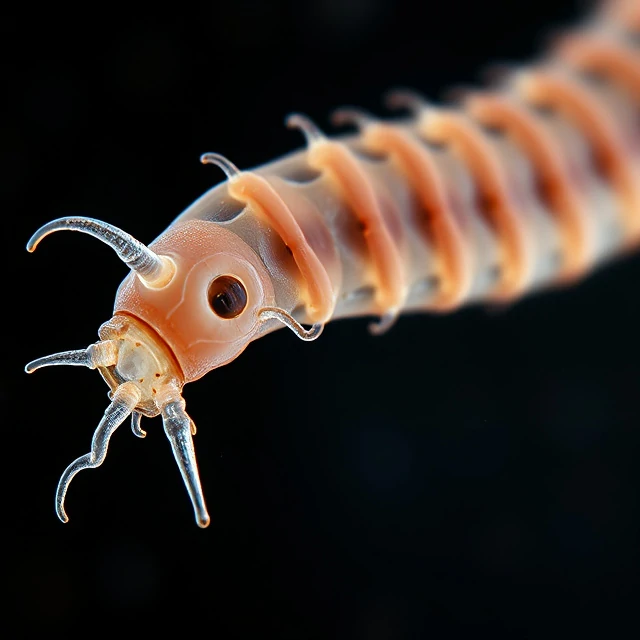
A tapeworm lives in a human gut, absorbing nutrients and giving nothing back. That is parasitism, a relationship where one organism benefits at the expense of another. The parasite gains food and shelter. The host loses energy, health, or reproductive success. Parasites are everywhere. They include viruses, bacteria, protozoa, fungi, worms, and insects. Some live outside the host, like ticks and lice. Others live inside, like malaria parasites and liver flukes.
Parasites are often highly specialized. They have evolved ways to evade the host's immune system, attach to tissues, and reproduce efficiently. Many have complex life cycles involving multiple hosts. The malaria parasite moves between mosquitoes and humans. Liver flukes pass through snails, fish, and mammals. These cycles make parasites vulnerable to disruption. Break one link and the parasite cannot complete its life. That is why draining swamps reduces malaria and why cooking fish prevents liver fluke infections. Parasites rarely kill their hosts quickly. A dead host is a dead parasite. The most successful parasites keep their hosts alive long enough to spread.
Types of parasites
- Ectoparasites: live on the outside, like ticks and lice.
- Endoparasites: live inside, like tapeworms and malaria.
- Obligate parasites: cannot survive without a host.
- Facultative parasites: can live freely but sometimes parasitize.
Parasitism is not a moral category. It is an ecological strategy, and a remarkably successful one.
Comments
No comments yet. Be the first to share a thought.
Leave a comment