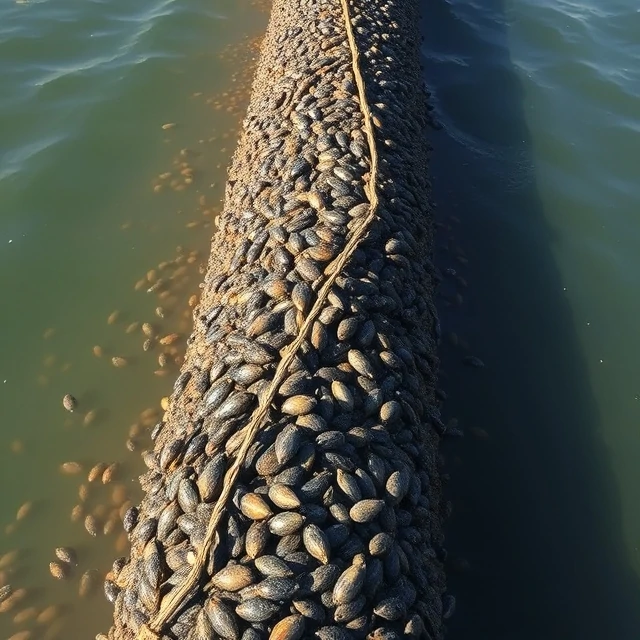
When a species arrives in a new environment and causes harm, it is invasive. Not every non-native species is invasive. Most introduced species either fail to establish or fit in without disrupting the ecosystem. The ones that become invasive share traits: fast growth, high reproduction, few natural predators in the new range, and the ability to tolerate a wide range of conditions. They outcompete native species for food, water, and space. Some prey directly on natives that have no defenses against them.
Invasive species are one of the leading drivers of biodiversity loss worldwide. They arrive through many pathways: ballast water from ships, imported plants and animals, timber shipments, and accidental hitchhiking. The brown tree snake was introduced to Guam after World War II and wiped out most of the island's native birds. Zebra mussels spread through the Great Lakes and clog water pipes and intake valves. Kudzu, brought to the United States from Japan, now covers millions of acres across the Southeast. Eradication is expensive and often impossible once a species is established.
Common pathways
- Ship ballast water and hull fouling.
- Horticultural and agricultural imports.
- Pet trade and aquarium releases.
- Timber, packaging, and cargo.
Prevention is cheaper than control. Inspecting imports and enforcing quarantine rules stops many invasions before they start.
Comments
No comments yet. Be the first to share a thought.
Leave a comment