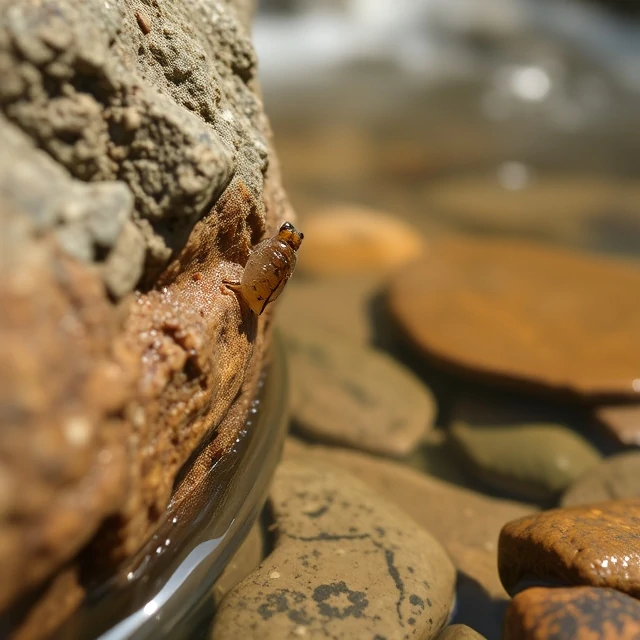
Some species tell you more about an environment than others. An indicator species is one whose presence, absence, or condition reflects the health of an ecosystem. Lichens are sensitive to air pollution. Their disappearance from a forest signals poor air quality. Mayfly larvae need clean, oxygen-rich water. Their absence in a stream points to pollution or low oxygen. Frogs, with their permeable skin, are sensitive to changes in water chemistry and UV radiation. A decline in frog populations often warns of wider environmental problems.
Indicator species are useful because they are cheaper and faster to monitor than measuring every variable in an ecosystem. Ecologists use them to track pollution, climate change, and habitat degradation. But the approach has limits. A species may be sensitive to one factor and tolerant of another. It may decline for reasons unrelated to the broader ecosystem. The best monitoring programs use several indicators together, combining them with direct measurements of water, air, and soil conditions.
Common indicator species
- Lichens: air quality, especially sulfur dioxide.
- Mayflies and stoneflies: clean freshwater.
- Frogs and salamanders: water chemistry and UV.
- Corals: ocean temperature and acidity.
Indicator species are not just canaries in the coal mine. They are also species worth protecting in their own right, and their decline is a loss regardless of what it tells us.
Comments
No comments yet. Be the first to share a thought.
Leave a comment