A patch of rainforest can hold more species than an entire continent of temperate forest. That variety of life, from genes to ecosystems, is biodiversity. It includes the number of species in a place, the genetic variation within each species, and the range of habitats and ecological processes they form. The term gained wide use in the 1980s as scientists and conservationists looked for a way to describe the richness that was disappearing.
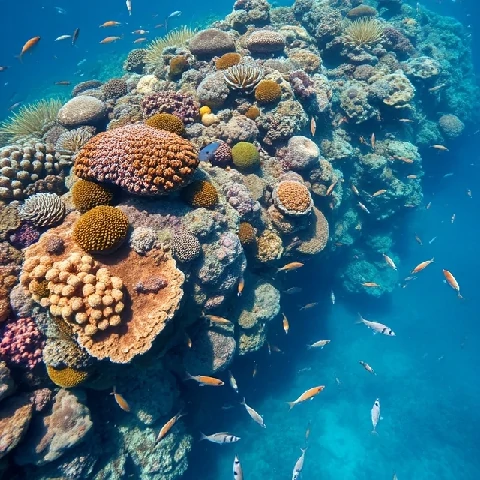
Biodiversity is not evenly distributed. Tropical rainforests, coral reefs, and large lakes hold extraordinary concentrations of species. These hotspots cover a small fraction of the planet's surface but contain a majority of its terrestrial species. Biodiversity matters for practical reasons. Genetic variety helps crops resist disease. Diverse ecosystems filter water, pollinate plants, and store carbon. When species disappear, these services weaken. The current rate of extinction is far above the natural background rate, driven by habitat loss, climate change, pollution, and overharvesting.
Levels of biodiversity
- Genetic diversity within a species.
- Species diversity in a community.
- Ecosystem diversity across a landscape.
- Functional diversity in ecological roles.
Protecting biodiversity is not just about saving charismatic animals. It is about keeping the systems that support human life intact.
Comments
No comments yet. Be the first to share a thought.
Leave a comment