One mole of carbon has a mass of 12 grams. One mole of water has a mass of 18 grams. One mole of glucose has a mass of 180 grams. The mass of one mole of a substance is its molar mass, expressed in grams per mole. It is numerically equal to the atomic or molecular mass in atomic mass units. That relationship makes it easy to convert between mass and moles.
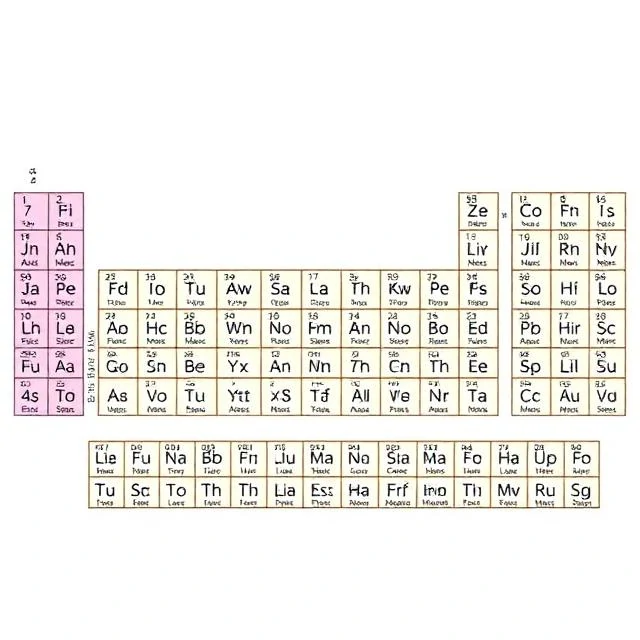
To calculate molar mass, add up the atomic masses of all the atoms in the formula. Water is H2O. Hydrogen has an atomic mass of about 1.008. Oxygen has an atomic mass of about 16.00. So the molar mass of water is 2(1.008) + 16.00 = 18.016 grams per mole. For a compound with many atoms, the calculation is tedious but straightforward. The periodic table provides the atomic masses.
Molar mass is essential for stoichiometry. It converts grams to moles, which are the units of chemical reactions. If you know the mass of a reactant, you can calculate the moles, use the balanced equation to find the moles of product, and convert back to grams. It is the bridge between the laboratory balance and the chemical equation.
Molar mass is also used in solution chemistry. Molarity is moles of solute per liter of solution. To prepare a solution of a given molarity, you need to know the molar mass to weigh out the right amount of solute.
Comments
No comments yet. Be the first to share a thought.
Leave a comment