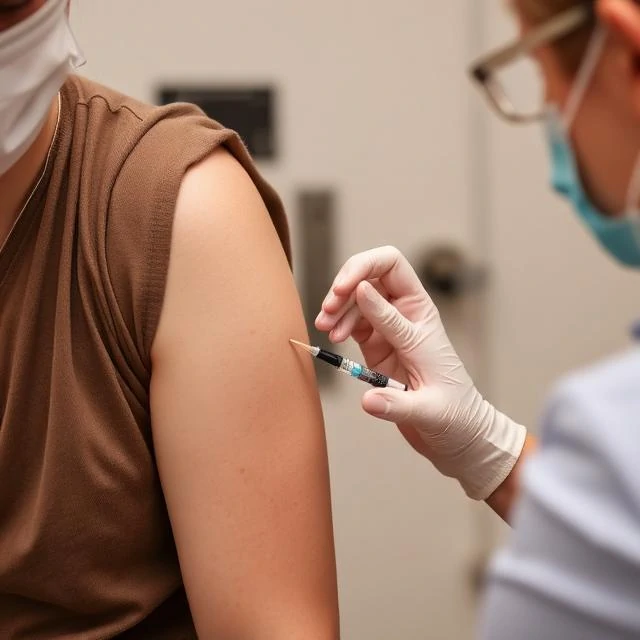
Edward Jenner inoculated a boy with cowpox in 1796 and showed that it protected him from smallpox. The word vaccine comes from the Latin vacca, meaning cow. Vaccines are biological preparations that provide immunity against a disease. They train the immune system to recognize and fight a pathogen without causing the disease. They are one of the greatest public health achievements in history.
Vaccines come in several types. Live attenuated vaccines use a weakened form of the pathogen. Inactivated vaccines use a killed pathogen. Subunit vaccines use a piece of the pathogen, like a protein. Toxoid vaccines use an inactivated toxin. mRNA vaccines use genetic instructions to make a pathogen protein. Each type has advantages and limitations.
Vaccines work by stimulating an immune response. The immune system produces antibodies and memory cells. If the real pathogen appears later, the memory cells respond quickly and prevent illness. Herd immunity occurs when enough people are vaccinated that the pathogen cannot spread easily, protecting those who cannot be vaccinated.
Vaccines are rigorously tested for safety and efficacy. They are regulated by agencies like the FDA and the European Medicines Agency. Side effects are usually mild and temporary. Serious side effects are rare. The benefits far outweigh the risks. Vaccines have eradicated smallpox, nearly eradicated polio, and reduced measles, tetanus, and hepatitis deaths dramatically.
Comments
No comments yet. Be the first to share a thought.
Leave a comment