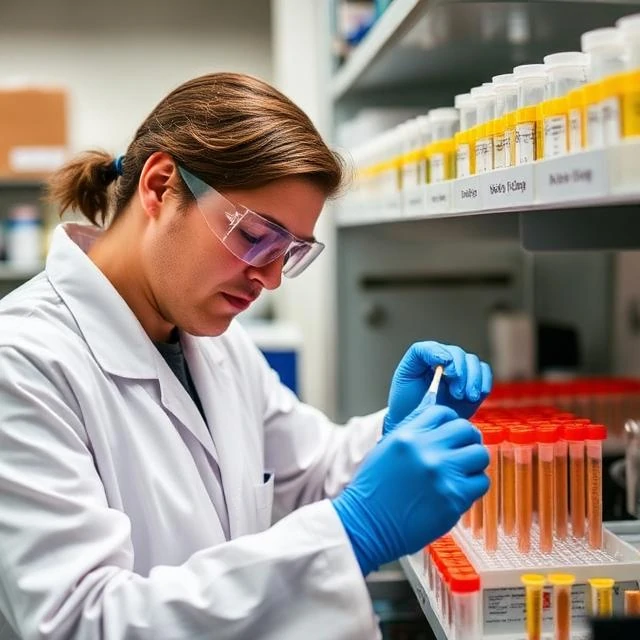
The genome is the same in every cell. The transcriptome is not. Transcriptomics studies all the RNA transcripts produced by a genome at a given time. It measures which genes are turned on, how strongly, and how their expression changes. It captures the dynamic state of a cell, which is why it is used to study development, disease, and drug response.
The main technology is RNA sequencing. RNA is extracted from a sample, converted to complementary DNA, and sequenced. The resulting reads are mapped to the genome, and the number of reads per gene indicates expression level. Alternative splicing, novel transcripts, and fusion genes can also be detected. Microarrays were the earlier technology, and they are still used for some applications.
Transcriptomics is used widely. In cancer, it classifies tumors by their gene expression profiles, which can guide treatment. In immunology, it studies how immune cells respond to infection. In neuroscience, it maps gene expression across brain regions. In agriculture, it identifies genes that help crops tolerate drought. It is a foundational tool of functional genomics.
The data is complex. A single experiment can produce millions of measurements. Normalization, statistical analysis, and biological interpretation are essential. Transcriptomics is not just about lists of genes. It is about understanding how networks of genes work together.
Comments
No comments yet. Be the first to share a thought.
Leave a comment