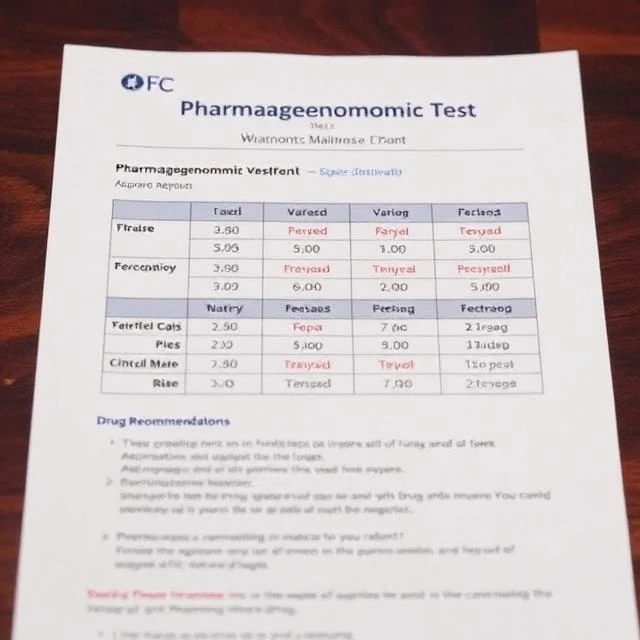
Some people metabolize drugs quickly. Others slowly. The difference can mean the drug works, fails, or causes toxicity. Pharmacogenomics studies how genes affect a person's response to drugs. It combines pharmacology and genomics to predict who will benefit, who will be harmed, and who needs a different dose.
The science focuses on genes that encode drug-metabolizing enzymes, transporters, and targets. Variations in these genes can change how a drug is absorbed, distributed, metabolized, and excreted. For example, variations in the CYP2D6 gene affect the metabolism of codeine, antidepressants, and tamoxifen. Poor metabolizers may not convert codeine to its active form, so they get no pain relief. Ultra-rapid metabolizers may convert it too quickly, risking overdose.
Pharmacogenomic testing is increasingly used in clinical practice. The FDA labels many drugs with pharmacogenomic information. Clinical guidelines from organizations like the Clinical Pharmacogenetics Implementation Consortium recommend dose adjustments or alternative drugs based on genotype. Psychiatric medicine, oncology, and cardiology are leading the way.
The field is still young. Most drugs do not yet have pharmacogenomic guidance. Testing is not universally available. And the evidence for some gene-drug pairs is weak. But the direction is clear. The future of prescribing will be informed by the patient's genome.
Comments
No comments yet. Be the first to share a thought.
Leave a comment