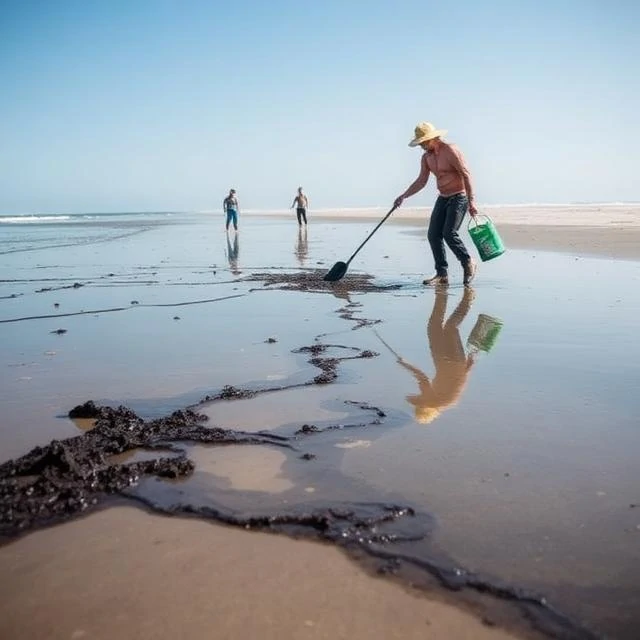
In 1989, the Exxon Valdez spilled 11 million gallons of crude oil into Prince William Sound. Cleanup crews used skimmers, booms, and high-pressure hot water. They also used bacteria. Fertilizer was spread on the beaches to encourage naturally occurring oil-degrading microbes. The bacteria ate the oil, converting it into carbon dioxide and water. Bioremediation was on the front page.
Bioremediation uses organisms to remove or neutralize contaminants. Bacteria and fungi are the most common agents. Some degrade petroleum hydrocarbons. Others break down pesticides, solvents, or heavy metals. Plants can also be used, a technique called phytoremediation. The organisms may be native to the site or introduced. They may be stimulated with nutrients or engineered for specific tasks.
The approach has advantages. It is often cheaper than excavation or incineration. It can be done in place, without moving contaminated soil. It produces less waste. But it is slow. It depends on environmental conditions. It may not work on all contaminants. And it may leave behind residues that are still hazardous.
Bioremediation is not a magic bullet. It is a tool for specific situations. When it works, it turns a pollution problem into a biological process. When it fails, it can delay more effective cleanup.
Comments
No comments yet. Be the first to share a thought.
Leave a comment