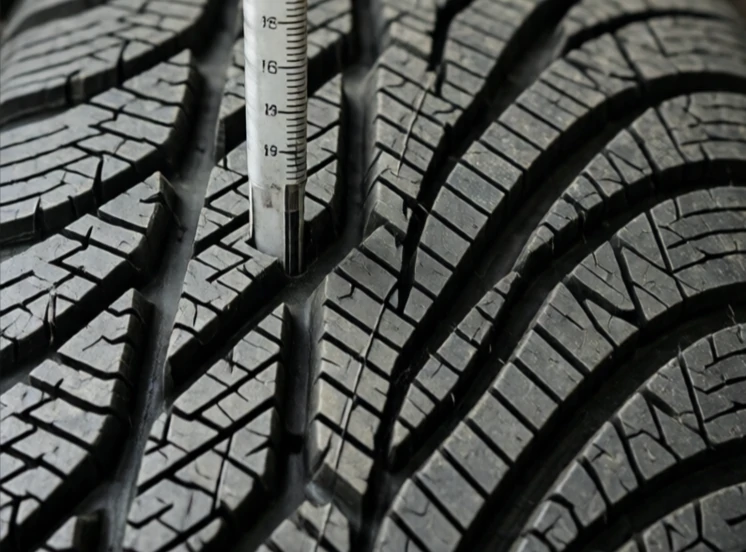
A tire is a flexible rubber container for compressed air. That is the simple description. The engineering inside is anything but simple. Steel belts, fabric plies, bead wires, and rubber compounds all work together to grip the road, cushion impacts, and last tens of thousands of miles.
Early tires were solid rubber. John Boyd Dunlop's pneumatic tire, patented in 1888, made riding far more comfortable. Radial tires, introduced by Michelin in 1948, replaced bias-ply construction and became the global standard. Radial tires run cooler, last longer, and grip better.
What the sidewall tells you
- Size: width, aspect ratio, and wheel diameter.
- Load index and speed rating.
- Maximum inflation pressure.
- DOT code for manufacturing date and plant.
- M+S or three-peak symbol for winter rating.
Tire pressure matters more than most drivers realize. Underinflation increases rolling resistance, wears the shoulders, and builds heat that can cause a blowout. Overinflation wears the center and reduces grip. Check pressure monthly, and remember that cold weather drops it. A tire is the only part of the car that touches the road. Everything else depends on that contact patch.
Comments
No comments yet. Be the first to share a thought.
Leave a comment