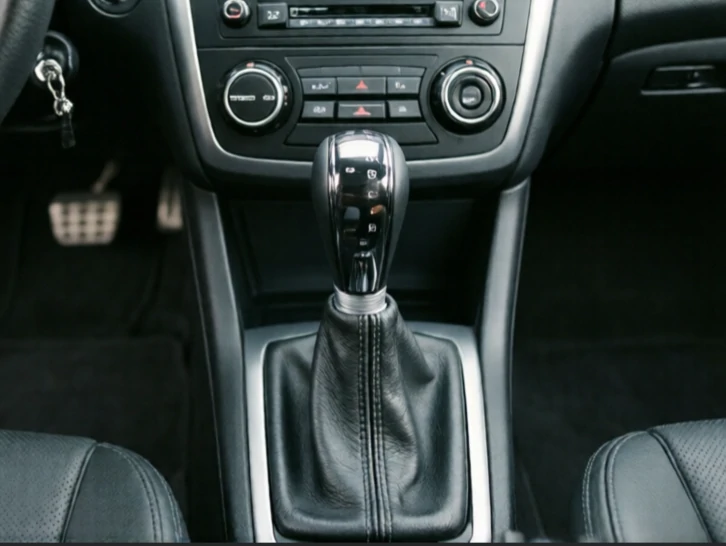
A manual transmission puts the driver in charge of gear selection. A clutch pedal disconnects the engine from the gearbox, a lever moves between ratios, and the driver releases the clutch to re-engage power. The coordination takes practice. Once learned, it becomes automatic.
Manual gearboxes were the default for most of automotive history. They are simpler, lighter, and cheaper to build than automatics. In Europe and much of the world they remain common. In the United States, automatic transmissions now dominate, and manual take rates have fallen below two percent on new cars.
Why drivers still choose manual
- Lower purchase price and repair costs.
- More direct control over power delivery.
- Better fuel economy in some older designs.
- Engagement for driving enthusiasts.
Electric vehicles have no gears to shift, which threatens the manual's long-term future. For now, a short-throw shifter and a well-weighted clutch still define the driving experience for a stubborn minority of buyers.
Comments
No comments yet. Be the first to share a thought.
Leave a comment