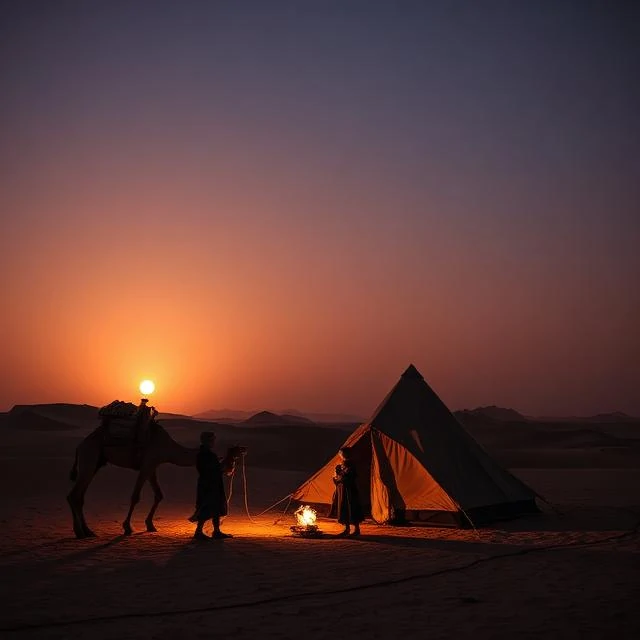
Nomadism is a way of life built on continuous movement rather than permanent settlement. Nomads do not wander at random. Their routes follow resources, seasons, and social obligations. Pastoral nomads move herds between pastures. Hunter-gatherer nomads follow game and plant cycles. Peripatetic traders move goods between markets. Each pattern requires deep knowledge of terrain, weather, and the people along the way.
Nomadic societies often maintain few possessions. Tents, saddles, and cookware are designed for portability. Social organization tends to be flexible, with groups splitting and rejoining as conditions change. Nomads frequently interact with settled communities, trading animal products for grain, tools, and tea. Those relationships can be peaceful or tense. States have often tried to settle nomads, sometimes by force, viewing mobility as a threat to tax collection and border control.
Types of nomadism
- Pastoral nomadism: herding animals along seasonal routes.
- Hunter-gatherer nomadism: following wild food sources.
- Peripatetic nomadism: traveling to trade or provide services.
- Sea nomadism: living and traveling by boat.
Nomadism is not a leftover from the past. Many nomadic groups adapt mobile phones, trucks, and GPS to old routes.
Comments
No comments yet. Be the first to share a thought.
Leave a comment