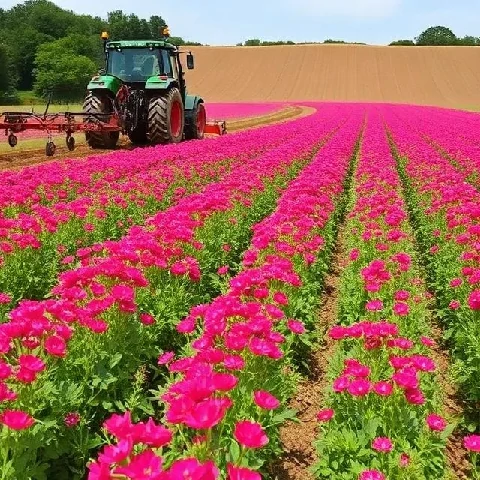
Green manure is a crop grown for the soil, not the table. Farmers sow it, let it grow, then plough it back in while it is still green. Clovers, vetch, rye, buckwheat, and mustard are common choices.
The idea is old. Roman writers Cato and Columella recommended ploughing in lupins and beans to enrich poor land. Legumes do double duty: their roots host bacteria that pull nitrogen from the air and convert it into a form plants can use. Non-legumes add organic matter, smother weeds, and scavenge leftover nutrients before they leach away.
Why farmers use it
- Adds nitrogen without synthetic fertiliser
- Improves soil structure and water infiltration
- Suppresses weeds and some pests
- Feeds bees and beneficial insects while in bloom
Timing is everything. Plough it in too late and it sets seed, becoming a weed itself. Too early and you lose the biomass. Done well, green manure is one of the cheapest ways to build soil health.
Comments (3)
Leave a comment