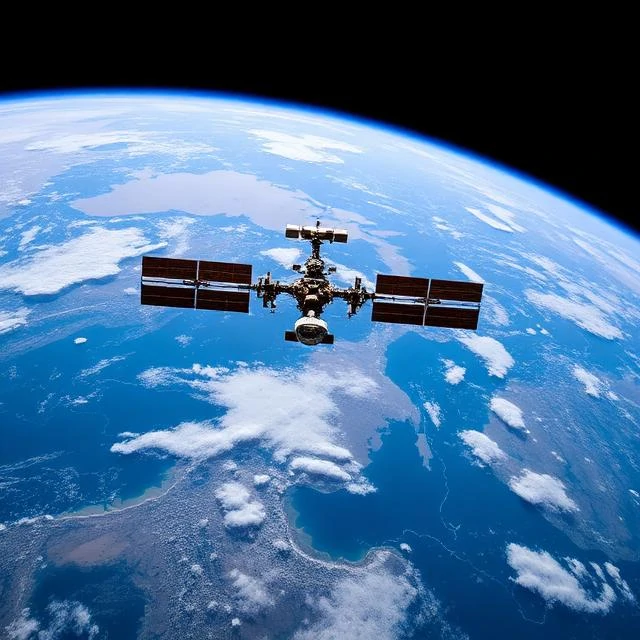
Most human spaceflight happens close to home. Low Earth Orbit covers the region below roughly 2,000 kilometres, where satellites circle the planet every ninety minutes or so. The International Space Station sits at about 400 kilometres, and most Earth observation satellites fly between 500 and 800.
The advantage is access. Reaching LEO takes less energy than higher orbits, and the view of Earth is detailed. The disadvantage is drag. Thin atmosphere at these altitudes slowly pulls satellites down, requiring periodic reboost or eventual reentry.
Common uses
- Human spaceflight and space stations
- Earth observation and imaging
- Internet constellations like Starlink
- Scientific and technology demonstration missions
Orbital debris is a growing problem. Collisions at these speeds create thousands of fragments, each capable of destroying a satellite and triggering further collisions.
Comments
No comments yet. Be the first to share a thought.
Leave a comment