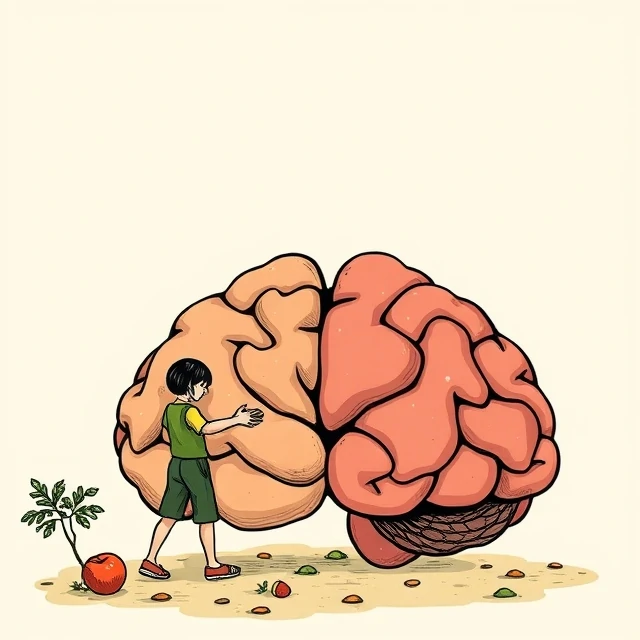
Some phrases mean something other than the sum of their parts. An idiom is a fixed expression whose meaning cannot be deduced from the individual words. “Kick the bucket,” “spill the beans,” and “under the weather” are idioms. A learner who knows every word still may not understand the whole.
Idioms are pervasive in everyday speech and writing. They add color and efficiency, packing a complex idea into a compact, familiar form. Because they are conventional, they also mark a speaker as a member of a linguistic community. Translating idioms literally into another language usually produces nonsense or comedy; equivalent idioms must be found or the meaning restated.
New idioms arise and old ones fade. Some remain opaque even to native speakers who use them fluently. Dictionaries of idioms exist precisely because the meanings are not compositional. For writers, idioms can enliven prose when used sparingly and accurately; overuse or misuse can make the language feel stale or confused. Recognizing an idiom is the first step toward using it with precision.
Comments (2)
Leave a comment