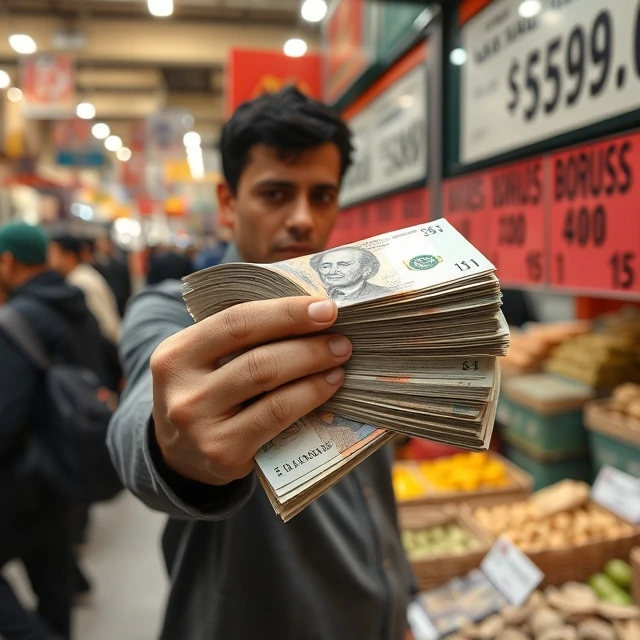
In 2008, Zimbabwe's central bank issued a 100 trillion dollar note. It was not enough to buy a loaf of bread. That is hyperinflation, an extreme and out-of-control rise in prices. Economists often define it as inflation exceeding 50 percent per month, which compounds to astronomical annual rates. Germany in 1923, Hungary after World War II, Zimbabwe in the 2000s, and Venezuela in recent years are the classic cases.
Hyperinflation usually starts with a fiscal crisis. The government cannot borrow or tax enough to cover spending, so it prints money. As prices rise, the real value of tax revenue falls, so it prints more. The cycle accelerates. People rush to spend cash before it loses value, which pushes prices even higher. Eventually, the currency becomes worthless and people resort to barter or foreign money.
Stopping hyperinflation requires drastic action. Governments must cut spending, raise taxes, and often abandon the old currency for a new one or peg it to a stable foreign currency. These measures are painful and politically risky. But hyperinflation is worse. It destroys savings, cripples investment, and can topple governments.
Warning signs
- Printing money to fund deficits
- Rapid loss of confidence in the currency
- People spending cash immediately
- Widespread use of foreign currencies
- Central bank issuing ever-larger denominations
Comments
No comments yet. Be the first to share a thought.
Leave a comment