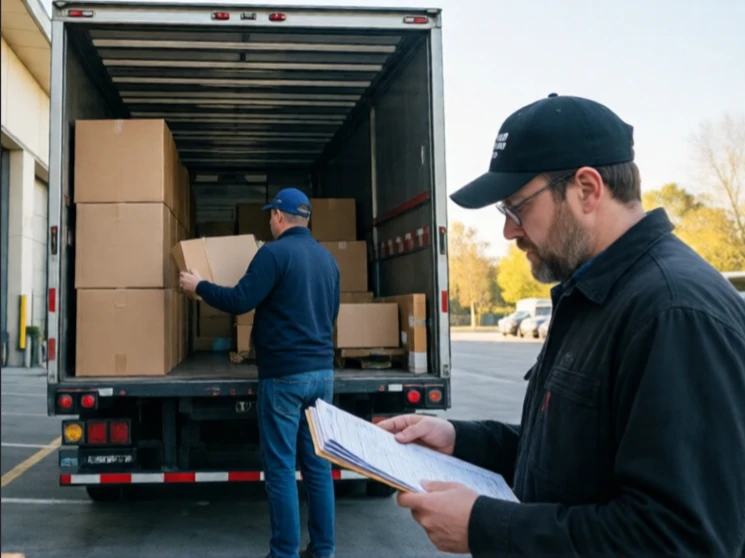
A grocery store does not buy milk from a farm. It buys from a wholesaler, a firm that purchases goods in bulk and resells them to retailers. The wholesaler takes on the risk of holding inventory, breaking large shipments into smaller lots, and delivering them on a schedule. The retailer gets a steady supply without negotiating with hundreds of suppliers.
Wholesaling is an old business. The Hudson's Bay Company was a fur wholesaler before it became a retailer. Today, wholesalers operate in every sector. Some are generalists, like Costco's business delivery arm. Others are specialists, like a pharmaceutical distributor that handles temperature-sensitive vaccines. The margins are thin. Volume is everything. A wholesaler might earn 3% on a million dollars of goods.
Types of wholesalers
- Merchant wholesalers: take title to the goods, bear the risk.
- Agents and brokers: do not take title, earn a commission.
- Manufacturer's representatives: sell for a specific producer.
The internet has squeezed the middle. Retailers can now order directly from factories in China. But wholesalers still thrive when they offer speed, credit, or local knowledge. The role changes. The function remains.
Comments
No comments yet. Be the first to share a thought.
Leave a comment