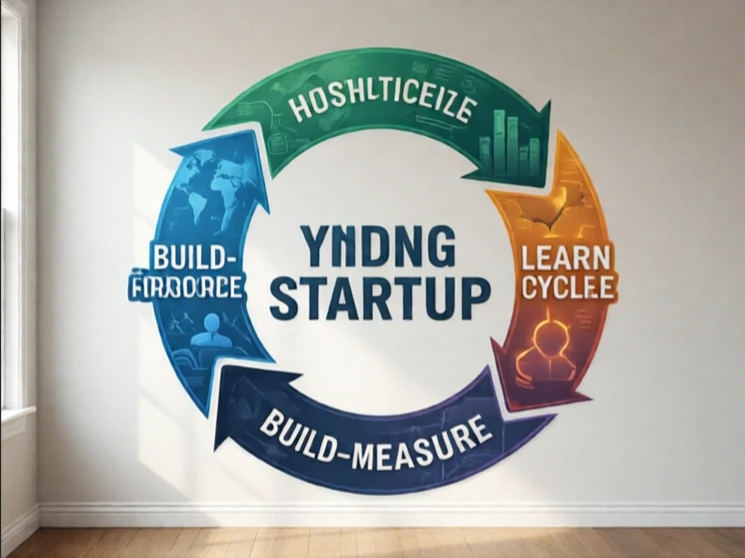
New ventures face extreme uncertainty. The lean-startup approach tries to reduce that uncertainty by building a minimum viable product, measuring how customers respond, and learning whether to persevere or pivot. The cycle of build-measure-learn replaces long planning cycles with rapid experimentation.
Core practices include validated learning, actionable metrics rather than vanity metrics, and the willingness to change direction when evidence demands it. The method originated in software but has been applied to many kinds of new products and services. The goal is to discover a sustainable business model before resources are exhausted.
Critics note that not every domain allows equally fast iteration and that some foundational work cannot be reduced to experiments. Supporters reply that the alternative—building in isolation and launching only when everything is polished—has produced many expensive failures. For teams operating under high uncertainty, the lean approach supplies a disciplined way to test assumptions early and often.
Comments
No comments yet. Be the first to share a thought.
Leave a comment