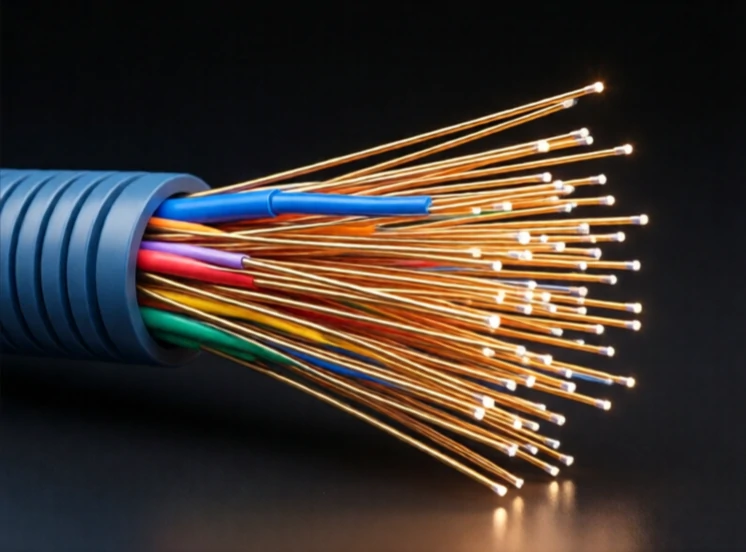
A signal is a physical quantity that carries information. It can be electrical, optical, or acoustic. It varies over time. The variations encode data. A voltage that rises and falls. A light that turns on and off. A sound wave that changes pressure. The signal is the message.
Signals can be analog or digital. Analog signals are continuous. Digital signals are discrete. Both carry information. Analog is closer to the physical world. Digital is easier to process and store. Most communication today is digital. But the physical world is analog.
Signal characteristics
- Amplitude: strength of the signal
- Frequency: cycles per second
- Phase: timing offset
- Bandwidth: range of frequencies
- Power: energy per unit time
Signals degrade. They attenuate. They pick up noise. They distort. Engineers amplify, filter, and regenerate them. They modulate and demodulate. They encode and decode. The signal is the raw material of communication. Everything else is processing.
Comments
No comments yet. Be the first to share a thought.
Leave a comment