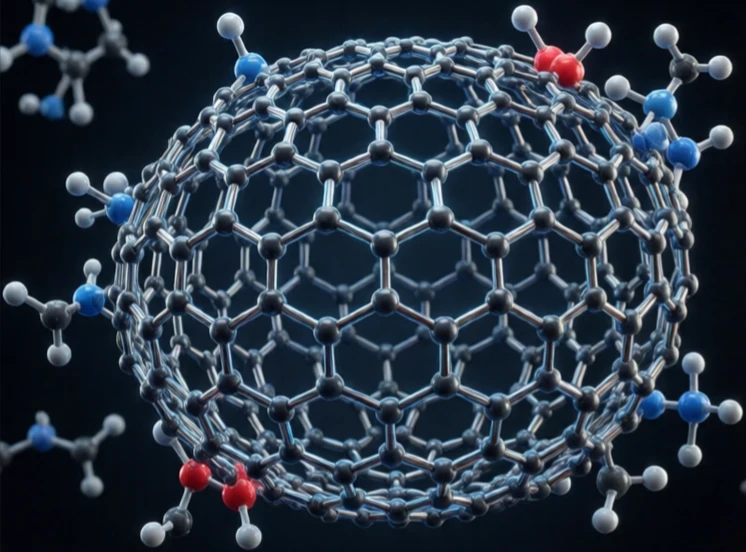
Nanotechnology is engineering at the molecular and atomic scale. A nanometer is one billionth of a meter. A human hair is about 80,000 nanometers wide. At this scale, materials behave differently. Gold turns red. Aluminum becomes explosive. Carbon nanotubes conduct heat better than diamond.
Scientists manipulate individual atoms and molecules to build structures. They use scanning tunneling microscopes and atomic force microscopes. They synthesize nanoparticles, nanowires, and quantum dots. The field spans physics, chemistry, biology, and engineering.
Applications
- Medicine: targeted drug delivery, imaging
- Electronics: faster transistors, denser memory
- Materials: stronger, lighter composites
- Energy: better solar cells, batteries
- Environment: water filtration, pollution sensors
Nanotechnology raises safety questions. Nanoparticles can penetrate cells and accumulate in organs. Their long-term effects are not fully understood. Regulation lags behind innovation. The tiny scale does not mean tiny consequences.
Comments
No comments yet. Be the first to share a thought.
Leave a comment