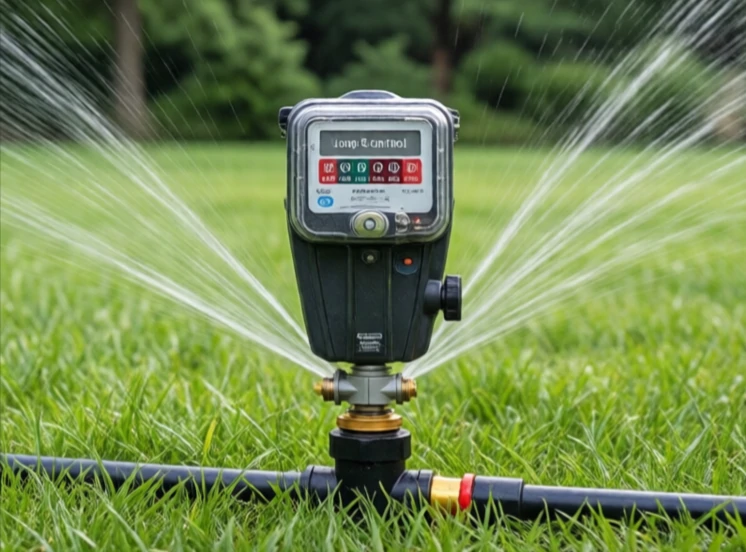
Open-loop control sends commands without checking the result. The controller assumes the actuator will do what it is told. There is no feedback. A stepper motor that turns a fixed number of steps per command is open-loop. So is a sprinkler timer that opens a valve for ten minutes regardless of whether it rained.
Open-loop control is simple and cheap. It works when the system is predictable and disturbances are small. A conveyor belt moving boxes at a constant speed does not need feedback. A toy car that drives forward for two seconds does not need feedback. But open-loop control fails when conditions change. A battery voltage drop makes a motor run slower. A heavier payload makes an arm sag. Without feedback, the controller does not know.
Open-loop versus closed-loop
- Open-loop: no sensor, no correction, simple.
- Closed-loop: sensor feedback, error correction, complex.
- Open-loop is cheaper and faster to implement.
- Closed-loop is more accurate and robust.
- Open-loop works for predictable tasks.
Some systems use open-loop control for coarse motion and closed-loop for fine positioning. A 3D printer might move the print head open-loop to the general area, then use sensorless homing to find the exact zero. The choice depends on the required precision and the consequences of error. If a robot arm misses a part and no one gets hurt, open-loop might be fine. If it misses a surgical incision, closed-loop is mandatory. Open-loop control is not wrong. It is a tool with a specific range of usefulness.
Comments
No comments yet. Be the first to share a thought.
Leave a comment