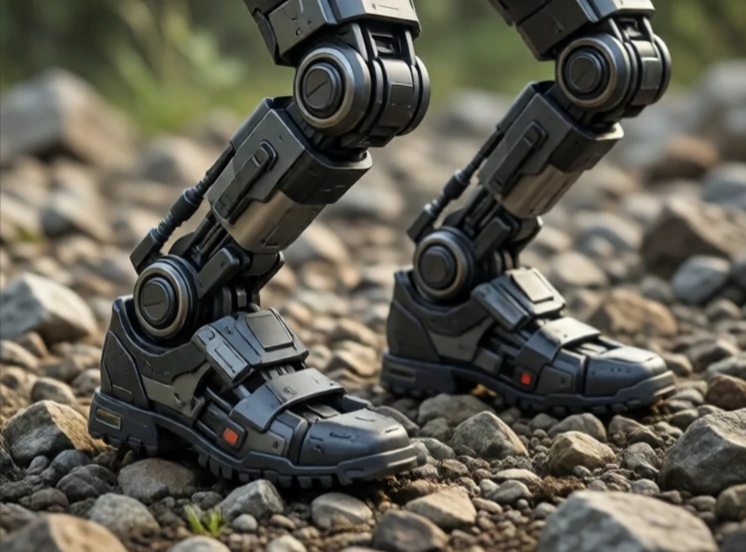
Balance control keeps a robot upright. For a two-legged robot, that means constantly adjusting joint angles to keep the center of mass over the support foot. For a wheeled robot, it might mean preventing a tip-over on a slope. For a drone, it means holding a stable hover.
Humans balance without thinking. Robots have to calculate it. The inverted pendulum model is the classic starting point: a mass on top of a movable base. The controller measures the tilt and moves the base to catch the fall. Boston Dynamics' robots use model predictive control, planning several steps ahead to stay upright while walking over uneven ground.
Balance control strategies
- Center of pressure control: shifting weight to maintain stability.
- Capture point: where to step to stop a fall.
- Whole-body control: using arms and torso to adjust balance.
- Reactive stepping: taking a quick step when pushed.
- Compliant control: yielding slightly to absorb disturbances.
Balance is harder than it looks because the ground is never perfectly flat and the robot's own movements disturb its stability. Pushing a robot is a common test. A good balance controller recovers. A great one makes the recovery look effortless. The same principles apply to exoskeletons helping people walk, prosthetic limbs, and humanoid robots expected to work in human spaces. If a robot cannot stay on its feet, nothing else it does matters.
Comments
No comments yet. Be the first to share a thought.
Leave a comment