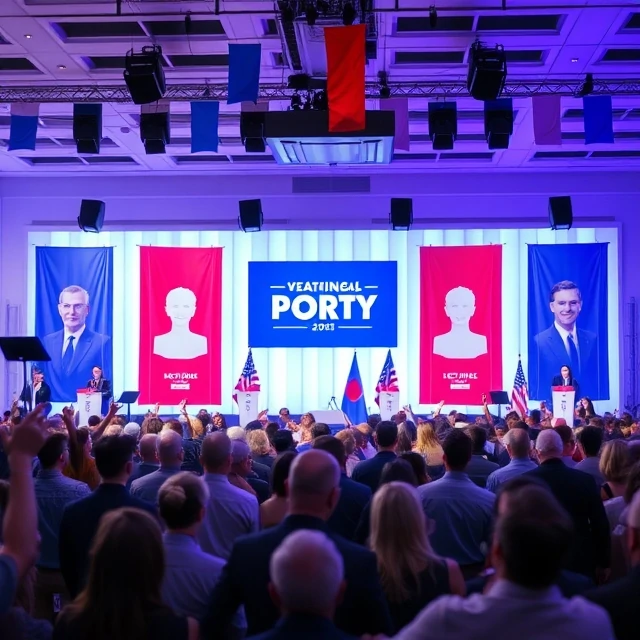
Organized groups that seek to win elections and influence government are political parties. They recruit candidates, mobilize voters, formulate platforms, and, when successful, organize the work of legislatures and executives.
Parties simplify choices for voters and provide a degree of collective responsibility for governance. Party systems range from two-party dominance to fragmented multiparty competition. Internal organization varies from loosely assembled electoral vehicles to disciplined mass membership organizations.
Parties mediate between society and the state. They aggregate interests, yet they can also deepen polarization or become vehicles for personalist leaders. Regulation of party finance, ballot access, and primary procedures shapes the competitive field. Despite frequent public cynicism, no modern democracy operates without parties.
The party label on a ballot remains one of the strongest cues available to voters.
Comments
No comments yet. Be the first to share a thought.
Leave a comment