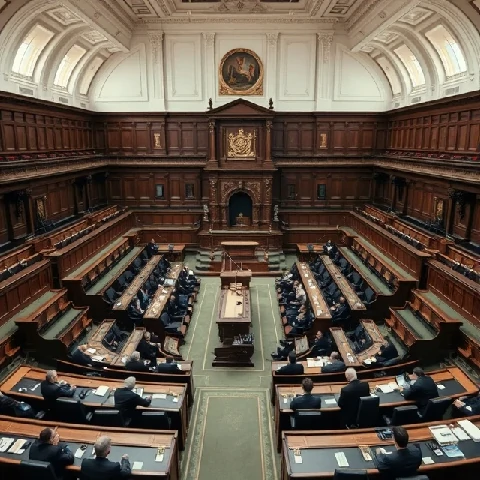
In parliamentary systems the central legislative body is the parliament. It makes law, controls public finance, and sustains or dismisses the government through votes of confidence.
Parliaments may be unicameral or bicameral. The lower house is usually the primary site of confidence and supply. Question periods, committee inquiries, and debates provide regular scrutiny of the executive. Party discipline is typically strong, so outcomes often follow the governing majority’s preferences.
Parliamentary government fuses legislative and executive power in a way that presidential systems do not. The prime minister and cabinet are drawn from and accountable to parliament. This arrangement can produce decisive government when majorities are clear and unstable coalitions when they are not. Variants of the parliamentary model operate across Europe, the Commonwealth, and elsewhere.
A government that loses the confidence of parliament must ordinarily resign or call an election.
Comments
No comments yet. Be the first to share a thought.
Leave a comment