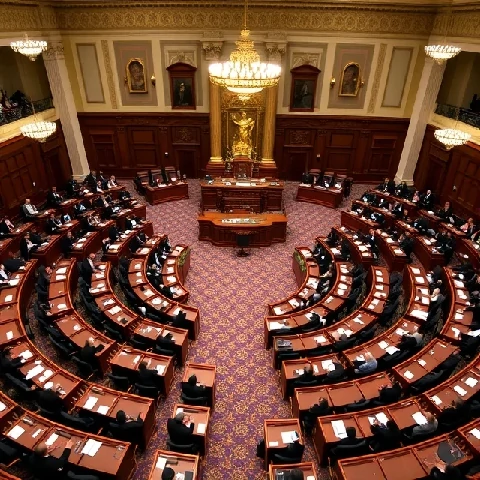
The institution that makes law is the legislature. It may be unicameral or bicameral, and its members are usually elected. Legislatures debate public issues, represent diverse constituencies, authorize spending, and oversee the executive.
Committee systems allow specialization. Party organization structures voting and agenda control. In parliamentary systems the legislature’s confidence sustains the government; in presidential systems the legislature and executive are separately elected and often divided. Procedure—how bills are introduced, debated, amended, and voted on—strongly affects outcomes.
Effective legislatures balance deliberation with decision, and representation with governability. Dysfunctional ones produce gridlock, opacity, or domination by narrow interests. Public trust in legislatures is often low, yet no democratic system functions without a working lawmaking body. Reform proposals periodically target campaign finance, ethics, redistricting, and internal rules.
The quality of a democracy tracks closely with the quality of its legislature.
Comments
No comments yet. Be the first to share a thought.
Leave a comment