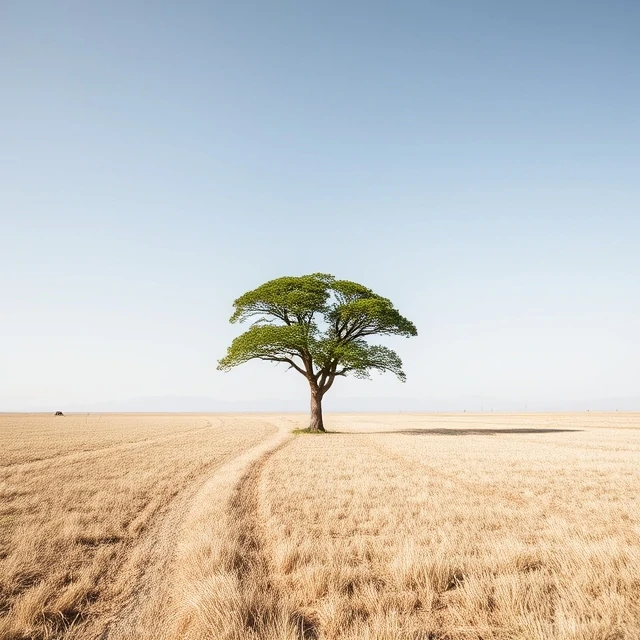
Being is the most general word in philosophy. It applies to everything that exists: rocks, numbers, minds, gods, abstractions, possibilities. To ask about being is to ask what it means for something to exist at all. Parmenides started the conversation by arguing that being is one, unchanging, and eternal. Heraclitus countered that everything flows. Plato divided being into realms of becoming and eternal Forms. Aristotle studied being in its many senses, including substance, quality, and relation.
Medieval philosophers distinguished essence from existence. A thing's essence is what it is. Its existence is that it is. Thomas Aquinas argued that in God, essence and existence coincide, while in creatures they differ. Modern philosophy shifted the question. Kant distinguished the phenomenal world we experience from the noumenal world we cannot. Heidegger reopened the question of being in Being and Time, arguing that Western philosophy had forgotten it. He distinguished beings, the things that exist, from Being itself, the event or process by which things are disclosed.
Dimensions of being
- Ontological. What kinds of things exist?
- Existential. What does it mean for a particular being to exist?
- Logical. How do we speak about being without contradiction?
Being is not a genus. It does not divide into species the way animal divides into mammal and reptile. It is said in many ways, and that plurality is part of the difficulty.
Comments
No comments yet. Be the first to share a thought.
Leave a comment