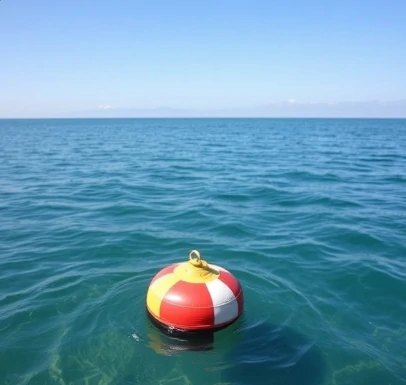
Designated zones of the ocean where human activities are restricted or prohibited are known as marine protected areas, or MPAs. The level of protection ranges from multiple-use areas that allow regulated fishing to fully no-take reserves where extraction is banned.
Well-enforced MPAs can increase the abundance, size, and diversity of species inside their boundaries and, through spillover of adults and larvae, can also benefit adjacent fishing grounds. They protect critical habitats such as spawning aggregations, coral reefs, and seamounts. Effectiveness depends on size, location, level of protection, and compliance.
Global targets call for substantial expansion of the MPA network, including in the high seas. Challenges include enforcement in remote areas, equitable inclusion of local communities, and ensuring that protected areas are representative of the full range of marine habitats. Scientific monitoring is essential for demonstrating outcomes and adapting management.
A no-take reserve that is only a line on a map provides little benefit; one that is respected can transform a depleted reef within a decade.
Comments
No comments yet. Be the first to share a thought.
Leave a comment