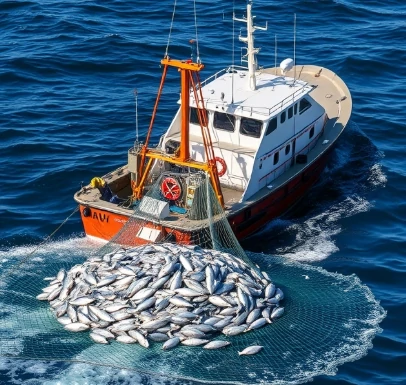
A fishery is both the activity of harvesting fish or shellfish and the population or area that is fished. It can be wild-capture or farmed, commercial or artisanal, and targets species ranging from anchovies to tuna to sea cucumbers.
Sustainable management requires knowledge of stock size, reproductive rates, and ecosystem interactions, together with regulations on gear, seasons, and catch limits. Many fisheries have experienced overexploitation, leading to depleted stocks and altered food webs. Others have recovered under science-based management and rights-based allocation systems.
Fisheries supply a major fraction of global animal protein and support the livelihoods of tens of millions of people. They also generate bycatch, habitat damage, and conflicts over access. Certification schemes, satellite monitoring, and improved international cooperation aim to reduce illegal fishing and reward sustainable practices. The future of fisheries depends on aligning economic incentives with ecological limits.
A well-managed fishery can provide food and income indefinitely; a poorly managed one can collapse within a generation.
Comments
No comments yet. Be the first to share a thought.
Leave a comment