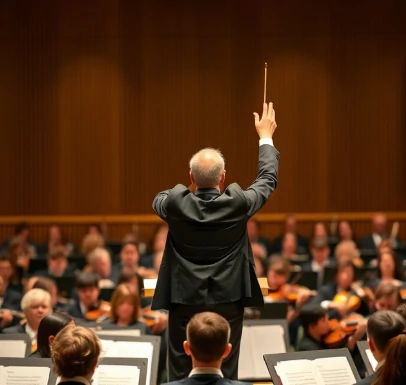
The conductor stands in front of an orchestra or choir and shapes the performance in real time. With baton or hands the conductor indicates tempo, dynamics, articulation, and the expressive character of each phrase. Eye contact and body language communicate further details.
Preparation begins long before the first rehearsal. The conductor studies the score, decides on interpretation, and anticipates technical challenges. During rehearsals the work is refined section by section. In concert the conductor becomes the focal point that unifies dozens of individual musicians into a single ensemble.
Great conductors combine deep musical knowledge with the ability to inspire and coordinate. Some specialize in particular repertoire; others range widely. The role has grown more prominent since the nineteenth century as orchestras increased in size and scores grew more complex.
Audience members often watch the conductor as closely as they listen to the music.
Comments
No comments yet. Be the first to share a thought.
Leave a comment