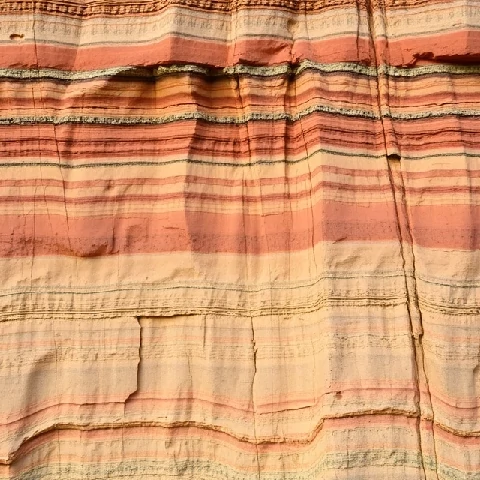
Sedimentary rocks are typically arranged in layers. Strata are those layers, each representing a distinct episode of deposition. A single layer is a stratum; the plural is strata. Bedding planes separate successive strata.
Strata may be millimeters to many meters thick. Changes in grain size, composition, or color mark the boundaries. Original horizontality and lateral continuity of strata are fundamental principles used to interpret geologic history. Tilted or folded strata record later deformation.
The sequence of strata at a location constitutes its stratigraphic column. Matching strata across regions allows correlation and reconstruction of ancient environments. Fossils within strata provide relative ages and evidence of past life. Reading strata is the foundation of historical geology.
- Layers of sedimentary rock or soil
- Separated by bedding planes
- Record sequential depositional events
- Fundamental to stratigraphic interpretation
Comments
No comments yet. Be the first to share a thought.
Leave a comment