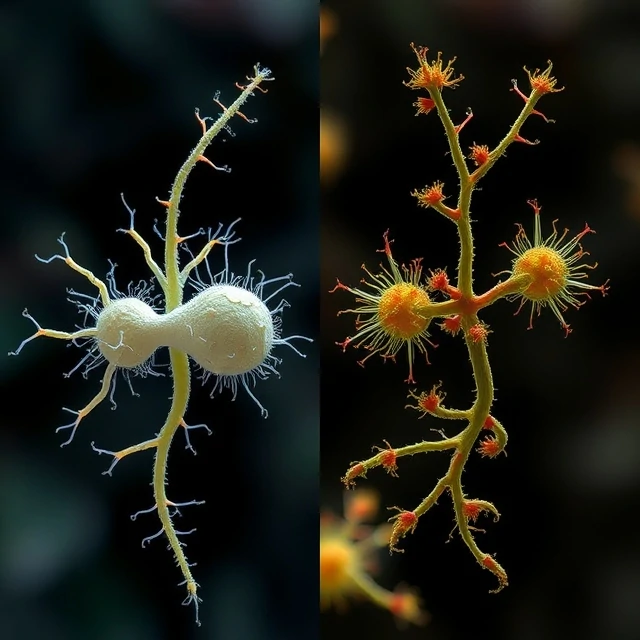
What we see is not always what is written in the DNA. The phenotype is the set of observable characteristics of an organism—morphology, physiology, behavior—produced by the interaction of genotype and environment. Height, blood type, and disease symptoms are all phenotypic traits.
Identical genotypes can yield different phenotypes under different conditions; this is phenotypic plasticity. Conversely, different genotypes may converge on similar phenotypes. Penetrance and expressivity describe how consistently and how strongly a genotype produces a phenotype.
Clinicians record phenotypes carefully when diagnosing genetic conditions. Researchers correlate phenotypic data with genomic variants to discover disease genes. Standardized phenotype ontologies improve data sharing and computational analysis across studies.
- Observable traits of an organism
- Results from genotype–environment interaction
- Includes physical and biochemical features
- Central to clinical description and research
Comments (3)
Leave a comment